Turning Industry Challenges into New Products
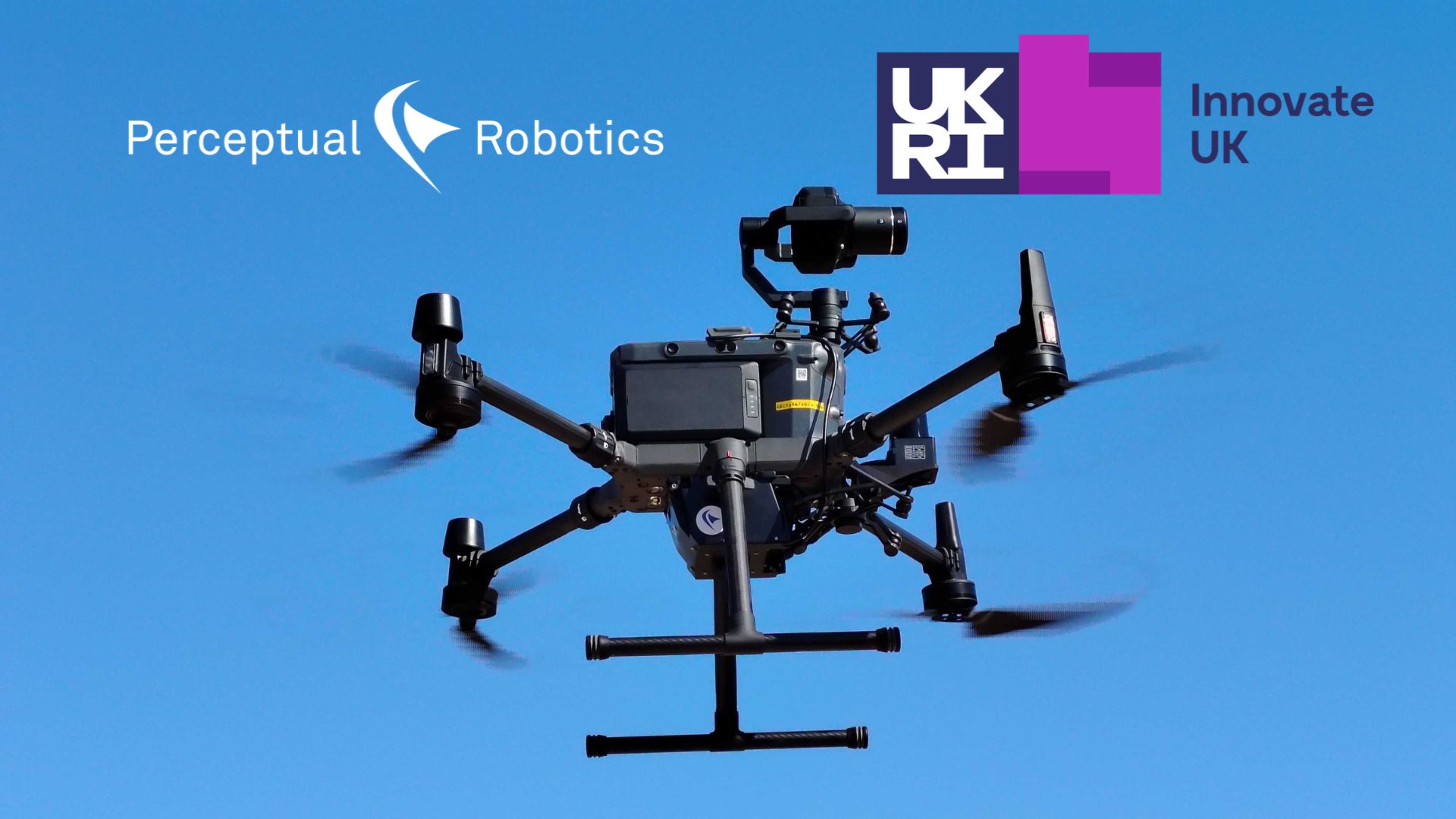
A few days ago we held the kick-off meeting for a new development project supported by @InnovateUK’s Investor Partnerships programme. Project is called “Advanced Autonomous Robotics Platform for Multi-Asset Wind Farm Inspection and Digital Analytics” and we’re grateful to Innovate UK for continuing to back innovation in the UK technology sector for helping unlock this opportunity.
Now the real work begins. It’s an 18-month development programme, followed by a further period of field validation before anything reaches customers: because building useful technology for the wind industry takes far more than a good idea. It requires development, testing, validation in the field and plenty of iteration before a product is ready for everyday use.
Over the coming months, we’ll be working on new capabilities aimed at making blade inspections and maintenance decisions faster, more consistent and easier to scale and starting to look beyond blades at other parts of the turbine too. This includes further developments in autonomous inspections, AI-assisted analysis and the tools that help operators turn inspection data into action.
Some of our most successful developments started with a simple operational frustration.
The Repair Now Ratio (RNR) is a good example. Anyone managing hundreds of blade damages across a fleet knows how quickly repair planning can become a maze of spreadsheets, competing priorities and difficult decisions. RNR was developed to provide a clearer way to prioritise repairs based on risk and economic impact.
That’s often how innovation starts. Not with technology for technology’s sake, but with a practical problem that needs solving.
We’re also growing the team behind this work: recruiting robotics, flight-test, data and customer solutions roles over the coming months.
If there’s a task in your workflow that feels unnecessarily slow, repetitive or difficult, we’d love to hear about it. Some of our best ideas have come directly from conversations with people working in the field every day.